

Let’s be honest, when most people hear “estate planning,” their minds jump to retirees sipping scotch in Muskoka, not high-performing millennials crushing goals and living in the now. But here’s the wake-up call: estate planning isn’t just for the elderly or ultra-wealthy; it’s a strategic move for anyone building something worth preserving. And if you’re reading this, odds are that’s you. You’re earning, investing, launching businesses, buying properties, and creating a life that deserves to outlast you. But wealth without structure is fragile. One unexpected moment, and everything you’ve built could unravel in courtrooms, family disputes, or tax complications. That’s where intentional estate planning becomes your power play.
Proactive planning isn’t just practical, it’s a gift. It protects the people you love from chaos, confusion, and costly legal processes during some of life’s most emotional moments. Your will is not a one-time formality; it’s a living document that should evolve with you. Life moves; marriage, children, career shifts, property acquisitions and if your Will doesn’t move with it, you risk leaving behind an outdated map no one can follow. An annual review can prevent legal disputes, ensure your current wishes are honored, and give your family clarity when they need it most.
The same logic applies to your Power of Attorney. If something happens and you’re incapacitated, who do you trust to handle your finances, legal matters, and healthcare decisions? This isn’t about choosing your favorite sibling or partner, it’s about choosing someone with the calm, clarity, and competence to act on your behalf. And as life changes, so might your choice. Your Health Care Directive also known as your Power of Attorney for personal care (POPAC) is equally crucial. It gives you a voice when you can’t speak. Instead of leaving your family in emotional limbo, trying to guess what you’d want, you’re giving them peace of mind and honoring your own values in the process.

Even your funeral plan deserves attention. It might feel premature, but pre-arranging your funeral is one of the most considerate things you can do. It locks in costs, outlines your preferences, and shields your loved ones from being pressured into emotional overspending by funeral homes that prey on grief. In a moment where healing should be the focus, you’ve already made the hard decisions for them.
But the details don’t stop there. Imagine your family scrambling to find your documents, insurance policies, or account passwords. Not ideal. Securely storing your estate documents, digitally or physically and informing your executor ensures everything is accessible and actionable. And when it comes to loans, mortgages, and investments, don’t assume they’ll “just sort themselves out.” Debts remain. Designated beneficiaries matter. Unhandled financial matters can derail even the most heartfelt legacy.
Then there’s life insurance. It’s not just a payout for when you’re gone, it’s leverage. It protects your assets, covers tax liabilities, and gives your heirs a head start. Policies with living benefits can even support you during terminal illness. It’s not about “making someone else rich,” as some cultural narratives suggest. It’s about ensuring your success doesn’t end with you.

Consider this: Jen had her house in order. She appointed an executor, had an active policy, completed her will and Health Care Directive, and communicated everything clearly. When she passed suddenly, her family didn’t have to wonder or worry, they had a roadmap. Contrast that with Amy, who left no plan. Her family was left chasing paperwork, battling in court, and unraveling financial knots. Same love, different outcomes. The difference? Intentional preparation.
And we haven’t even touched on digital legacies. The average person now has over 100 online accounts. Imagine your loved ones trying to access critical information like banking, crypto, medical records without passwords or digital directives. Creating a digital estate plan and appointing a digital executor isn’t just tech-savvy, it’s essential. Your online life needs closure, too.
In most households, the conversation around estate planning is often shrouded in silence, pride, or misconceptions. The cultural narrative tends to focus on “making it” rather than sustaining it. But let’s get real: GoFundMe is not a wealth strategy and while our communities thrive on resilience and resourcefulness, the next level is intentional, intergenerational strategy. One must move past the fear of appearing morbid or selfish and recognize that preparing for the end is one of the most empowering acts of love.
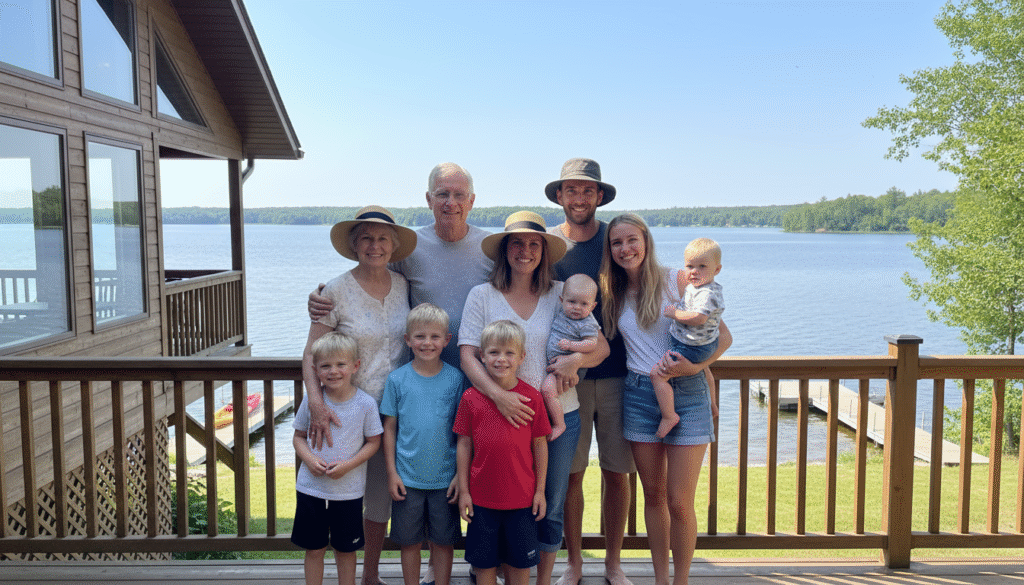
Building wealth is important. But building legacy? That’s elite. Legacy asks bigger questions. Who continues this after me? How do I prepare them? How do I protect this vision? Without structure, wealth disappears. With structure, legacy multiplies. The truth is, if your success ends with you it’s not legacy. It’s lifestyle.
And for those holding significant real estate like James and Gina, who built a multi-million-dollar life across Toronto and Muskoka, the stakes are even higher. Their daughters inherited two properties, but without proper planning, they could have been forced to sell one just to cover the $450,000 capital gains tax. Thankfully, their parents had a plan, including a life insurance policy to cover taxes and preserve the family’s legacy. That’s what foresight looks like.
So here’s the takeaway: estate planning isn’t about dying. It’s about living well and leaving well. It’s not just about what you leave behind; it’s about what you set in motion. At Legaciii Academy, we help you architect your legacy intentionally, strategically, and powerfully. Because your wealth should outlive you. And your vision should echo for generations.
Now’s the time. Plan like a boss. Protect your legacy. And lead your family into a future built on clarity, strength, and freedom.